Solid Board Packaging: The Complete Guide for UK Packaging Buyers
Solid board packaging is one of those things most people don’t think about properly… until it starts causing problems in the supply chain.
Usually, it starts small.
Boxes losing shape.
Moisture getting in.
Products arriving not quite how they left.
That’s when people start looking beyond standard cardboard and end up here.
What Is Solid Board?
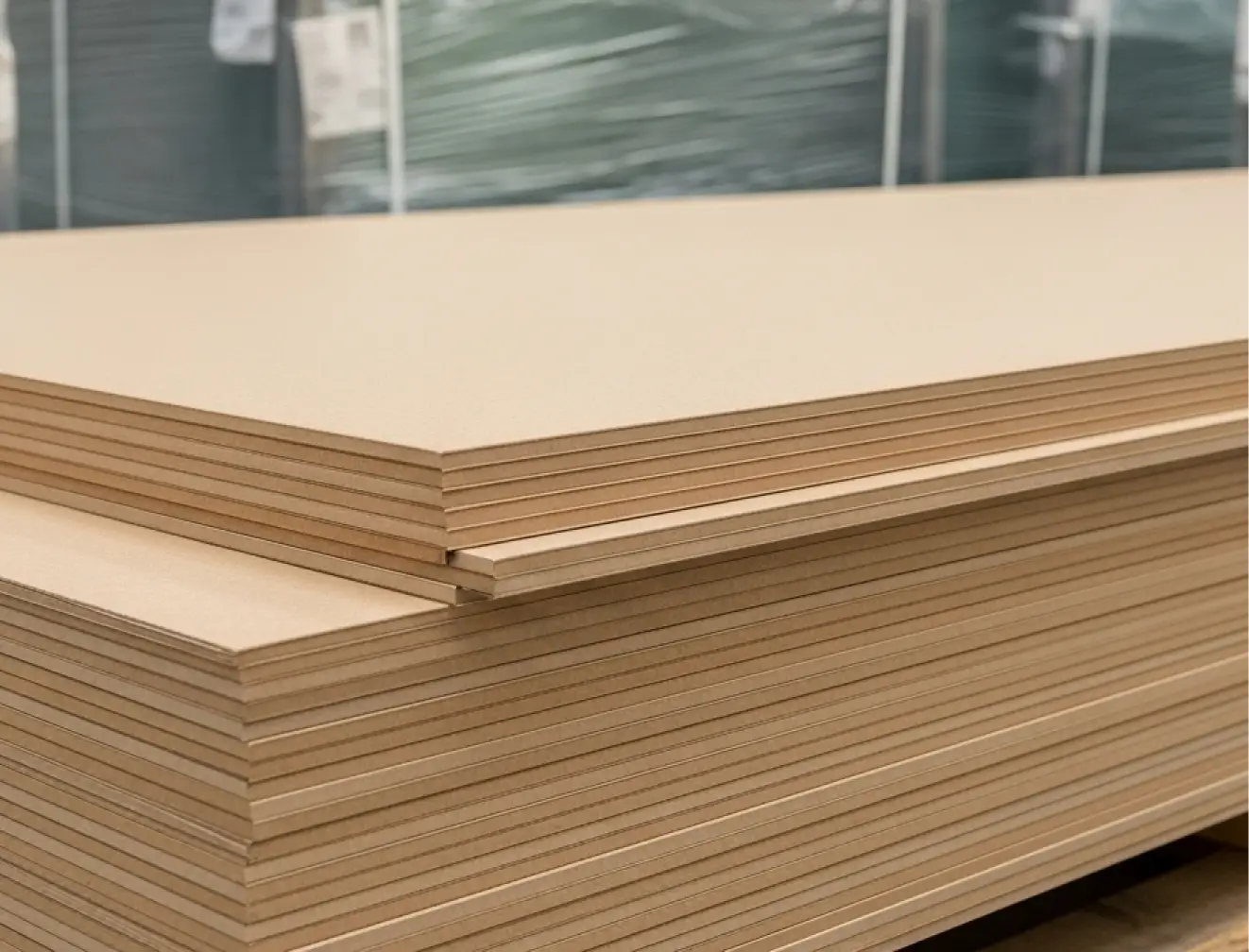
Solid board is a dense packaging material made from compressed paper fibres. No fluting, no air gaps, just a solid structure all the way through.
That might not sound like a big deal, but it changes how the material behaves.
With corrugated cardboard, the strength comes from the fluted inner layer. Whereas with solid board material, it’s the density that does the work. That’s why it feels firmer, more rigid, and provides more reliable packaging when you’re dealing with real-world handling.
Solid board is widely used for cardboard boxes, cartons, and trays that require reliable protection, stable stacking, and consistent performance throughout the supply chain.
Solid Board vs Corrugated
This is where most smart packaging solution decisions get made.
Corrugated cardboard has its place. It’s lightweight, widely available, and works fine for general packaging.
But once you start dealing with humidity, chilled storage, or heavier loads, it can fall short. The structure softens, stacking becomes less stable, and suddenly you’re dealing with avoidable damage.
Solid board behaves differently. It holds its shape better, keeps its strength in humid conditions, and doesn’t rely on that internal fluting to stay intact. It’s a bit less forgiving on cost sometimes, but far more predictable in performance.
If you’re moving food products, retail cartons, or anything that needs your brand to look good and your products to arrive intact, solid board packaging usually makes more sense.
How Solid Board Is Manufactured
The way solid board is made is a big part of why it performs the way it does.
It starts with fibre that’s often recycled, sometimes mixed with virgin, depending on what’s needed. Those fibres are layered, pressed, and dried until you get a dense, uniform sheet.
No hollow structure. No weak points hidden inside.
After that, it’s cut into solid board sheets or reels and sent for conversion. Because the material is consistent across the whole sheet, you don’t get the same variability you sometimes see with corrugated.
Modern solid board manufacturing also leans heavily into efficiency. Less waste, better energy use, more control over the final product. It’s not perfect, but it’s moving in the right direction.
Solid Board Sheets and Packaging Formats
Most packaging starts as solid board sheets, then gets turned into whatever format the job needs.
That could be:
- folding cartons
- tray packaging
- retail packaging
- pallet-ready designs
The useful thing is how adaptable it is. It’s strong, but still workable. You can cut, crease, and shape it without losing its core strength.
It also helps with space. Because it’s compact, you can often fit more into storage or onto pallets, which doesn’t sound exciting, but makes a difference when you’re looking at logistics costs over time.
Moisture Resistant Board in Real Conditions
Moisture is where packaging is usually properly tested.
Corrugated cardboard can struggle here. Once it starts absorbing moisture, the structure weakens, and things go downhill fairly quickly.
Solid board holds up better, especially when you add the right coating. A moisture resistant board will keep its strength even in chilled or humid environments, which is exactly what you need for food packaging.
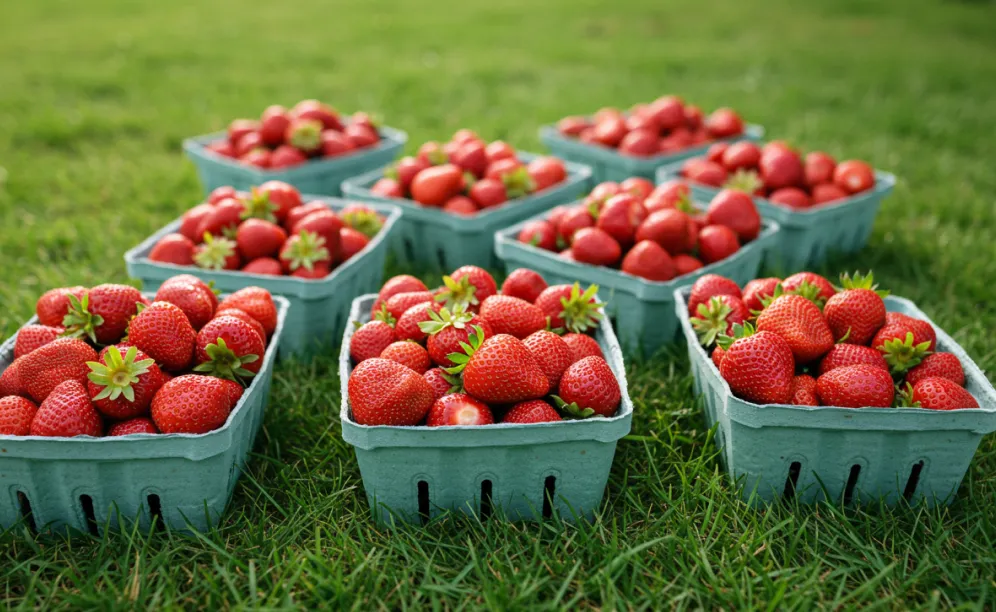
With food-safe PE coating, you also get a barrier that keeps things leakproof and hygienic. That’s why it’s used for fresh produce, frozen goods, and anything moving through cold chain logistics.
It’s less about theory and more about consistency. It just works the same way, every time.
Food-Safe Packaging and Hygiene
When you’re dealing with food, there’s not much room for compromise.
Solid board packaging is commonly used because it can meet food safety standards when specified correctly. The base material is clean and stable, and coatings can be added depending on whether the packaging is in direct or indirect contact with food.
You’ll see it used for:
- fresh food packaging
- trays for chilled products
- cartons for frozen goods
It’s not just about safety, though. It’s about maintaining consistent performance while meeting those requirements.

Sustainability and Environmental Impact
Sustainable packaging depends on real factors like fibre sourcing, manufacturing processes, and how easily the material can be recycled in practice.
Solid board packaging does have some clear advantages. It’s often made using recycled fibres, and it’s fully recyclable within UK paper waste systems, which makes it easy to handle at end of life.
Compared to plastic, it’s generally a more environmentally friendly option, though that still depends on sourcing and manufacturing.
Where it really helps is waste reduction. Stronger packaging means fewer damaged products, and that’s a big part of the overall environmental impact that people tend to overlook.
Strength and Durability in Practice
This is where solid board really earns its place.
Because of its density, it handles stacking, pressure, and transport far better than lighter materials. It doesn’t collapse as easily and retains its structure over time.
That’s why it’s used for heavier items, industrial packaging, and retail cartons that need to arrive looking exactly how they left.
It’s not about being the strongest material possible. It’s about being consistently strong across the entire packaging process.
Cost-Effectiveness Across the Supply Chain
At first glance, solid board might not always look like the cheapest option.
But packaging cost isn’t just about the material. It’s about what happens after during storage, transport, damage, handling, etc.
Because solid board is compact and durable, it often helps reduce storage costs, improve pallet efficiency, and cut down on damaged goods. Over time, that can make it a more cost-effective packaging solution overall.
It’s one of those cases where the numbers make more sense when you zoom out a bit.
Choosing a Solid Board Supplier UK
Not all suppliers are equal, and this part matters more than people expect.
A good solid board supplier UK should be able to provide consistent quality, a range of solid board sheets, and options that match your specific requirements, whether that’s moisture resistance, food-safe coatings, or custom formats.
More importantly, they should understand how your packaging is actually used. Specs are one thing, real-world performance is another.
Custom Packaging for Specific Needs
Every product has its own quirks. Size, weight, storage conditions, and handling all play a role.
Solid board packaging can be customised to fit those requirements without overcomplicating things. From simple cartons to more tailored tray designs, it offers enough flexibility to build a packaging solution that works for your setup.
That’s usually where the real value comes in.
Where Solid Board Packaging Fits Best
Solid board packaging tends to make the most sense when the conditions aren’t ideal.
If you’re dealing with moisture, heavier loads, or products that need to look good on arrival, it’s a strong option. That’s why it’s used across food packaging, retail, logistics, and industrial applications.
It’s not always the default choice, but when performance matters, it’s usually the one people move to.
Solid board packaging remains one of the most reliable ways to protect products, maintain quality, and keep the supply chain moving smoothly without unnecessary waste or failure.
Expert customer support
Tell us what you need, and our expert team will work with you to find the perfect solution. If it's made of cardboard then we are the people to speak to!
Tell us what you need, and our expert team will work with you to find the perfect solution. If it’s made of cardboard then we are the people to speak to! Get in touch today to see how we can help.

Bulk Ordering
For businesses large and small.

Eco-Aware Products
Recyclable, compostable, and food-safe.

Built to perform
Packaging that holds up and looks right.