Foil Lined vs Waxed Board: What’s the Difference?
Foil lined vs waxed board is one of those decisions that looks simple on paper, but gets complicated fast once food safety, barrier properties and sustainability enter the conversation.
When sourcing paperboard for packaging in the UK, these are the primary considerations:
- Will this hold moisture?
- Will it protect sensitive products?
- Can it pass retail handling without collapsing?
- And what happens at recycling stage?
What Is Foil Lined Board?
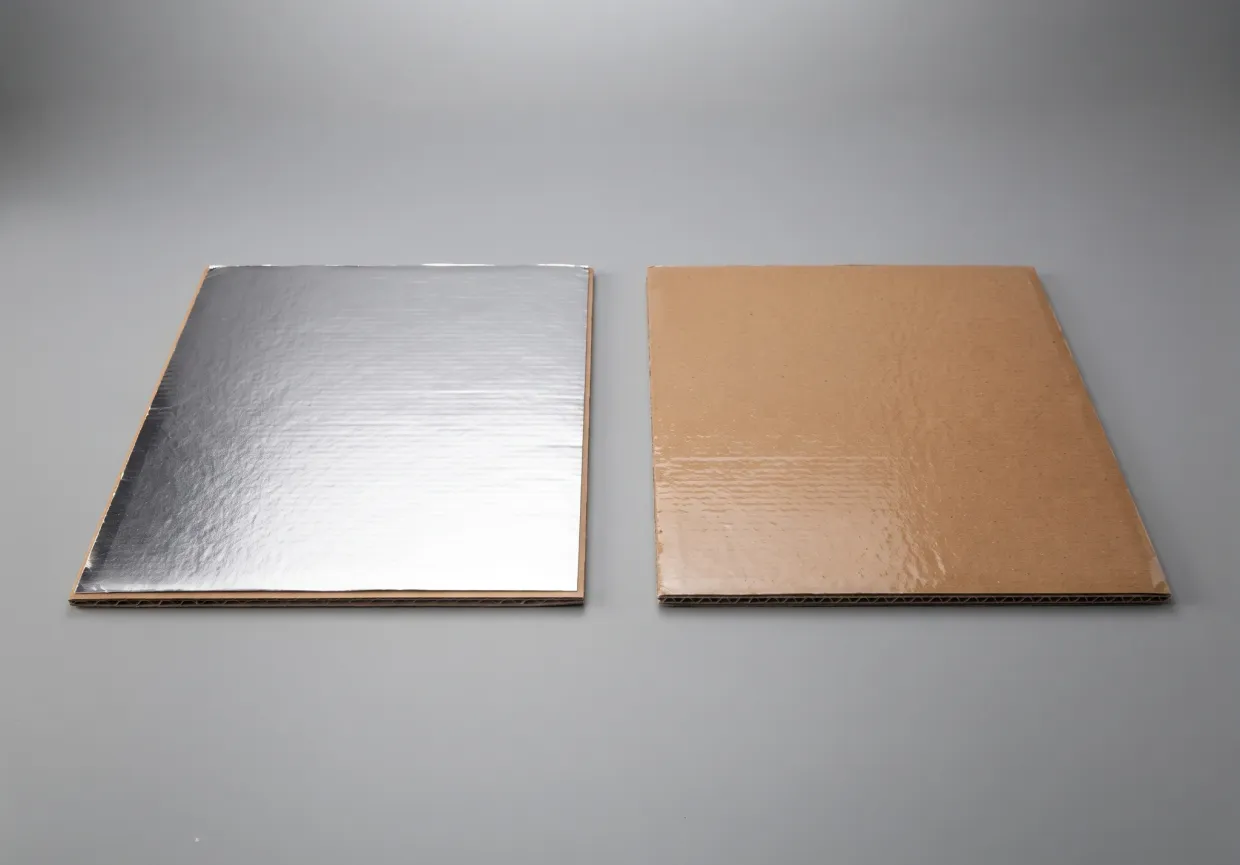
Foil lined board is paperboard that’s been laminated with a thin layer of aluminium foil.
The board itself is usually kraft board, folding boxboard, or another high stiffness carton board. Then a foil layer is bonded using adhesive lamination or extrusion lamination. Sometimes it’s combined with polyethylene (PE coated) layers for extra seal-ability.
Structure
Typical structure looks like this:
- Paperboard base sheet
- Adhesive layer
- Aluminium foil layer
- Optional PE coating
That aluminium layer is the real game changer.
Barrier Properties
Foil lined paperboard offers:
- Near-total moisture barrier
- Oxygen resistance
- Light protection
- Strong grease resistance
For dry food, confectionery, powdered products, or temperature-sensitive food products, this makes a big difference.
It performs extremely well where moisture control is critical. Think spice cartons, stock cubes, powdered mixes. Without strong barrier properties, those products clump or degrade.
What Is Waxed Board?
Waxed board is paperboard treated with a wax coating, either applied to one side or fully impregnated.
The board is made from kraft paperboard or boxboard, then coated with paraffin wax or similar wax blends. The wax fills the fibre gaps and creates water resistance.
Structure
Common formats:
- Surface wax coating (one side)
- Fully wax impregnated board
- Double-sided wax coating
Unlike foil lamination, wax is absorbed into the board structure.
Functional Performance
Waxed paperboard gives:
- Good moisture resistance
- Moderate grease resistance
- Basic water resistance
- Flexible handling
It is commonly used in corrugated boxes for produce, chilled foods, or bakery trays where some moisture protection is needed but not total barrier.
It’s practical. It’s cheaper. But it’s not airtight.
Barrier Properties: Moisture, Oxygen and Grease
This is where foil lined vs waxed board becomes very clear.
Moisture Resistance
- Foil lined board: Almost complete moisture barrier.
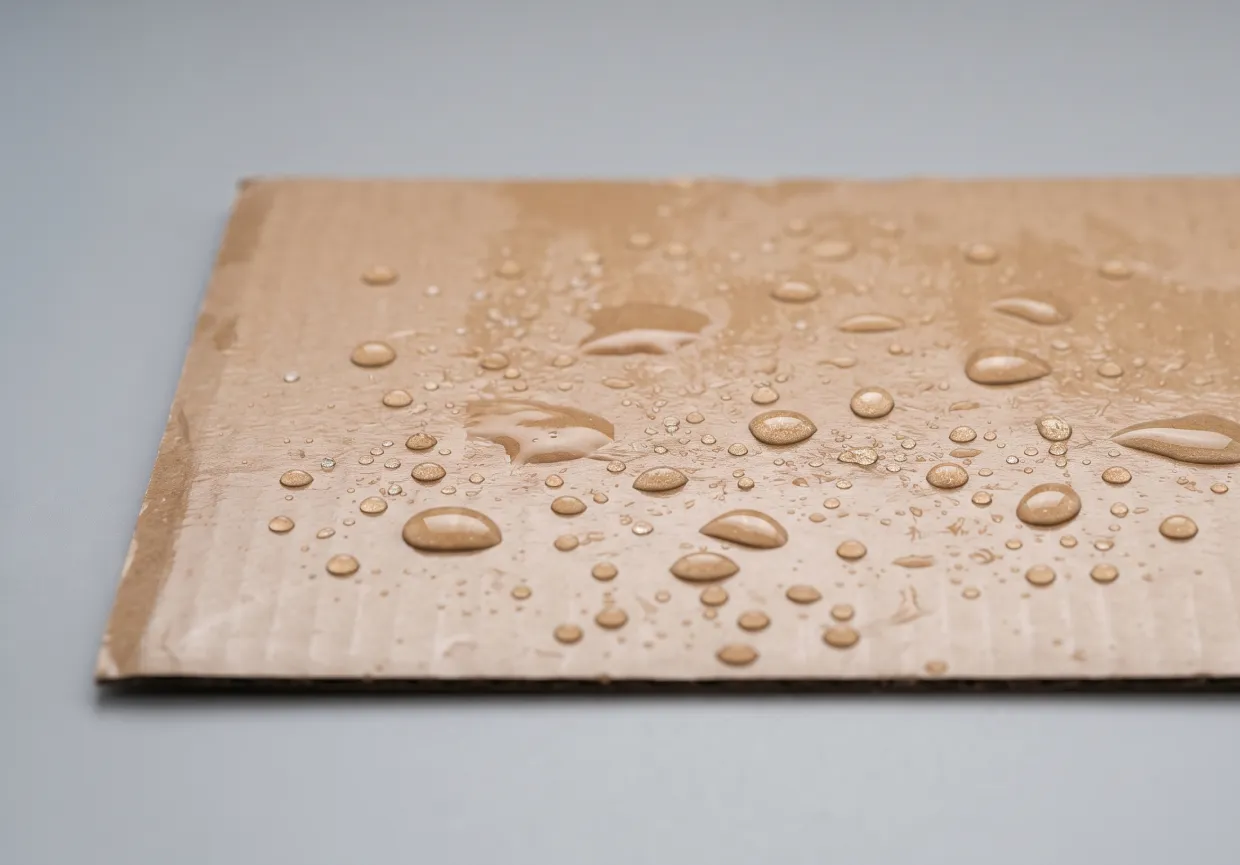
- Waxed board: Resists surface moisture but can fail under prolonged exposure.
When packaging dry food or powdered food packaging, foil is safer. Wax can soften over time.
Oxygen Protection
- Foil lined board: Excellent oxygen barrier.
- Waxed board: Minimal oxygen resistance.
For products sensitive to oxidation, foil wins every time.
Grease Resistance
Both handle grease fairly well, but foil lined board offers stronger long-term resistance.
If your customer requirement includes long shelf life, waxed board may struggle.
Structural Strength and Handling
Barrier is only half the story.
Packaging still needs to perform under stacking, retail display, and transport.
High Stiffness and Rigidity
Foil lined board keeps its structural rigidity because the aluminium layer doesn’t weaken the fibre core.
Wax impregnation can slightly reduce stiffness, especially in thinner grades.
For folding cartons that must meet structural requirement for stacking, foil lined boxboard performs more consistently.
Tear Strength and Puncture Resistance
-
- Foil lamination improves puncture resistance.
- Waxed board can tear more easily once saturated.
In cold chain handling, waxed board can become brittle.
Printing and Conversion
Surface for Printing
Foil lined board typically has a coated print surface on the paper side, giving strong ink adherence using water-based printing processes.
Waxed board can complicate printing and conversion. Ink adherence on wax surfaces is weaker unless treated specially.
If sharp retail carton graphics are required, foil lined board gives better print quality control.
Folding and Sealing
Foil lined board:
- Works well with heat sealing (especially PE coated formats)
- Offers strong seal performance
- Suitable for automated carton lines
Waxed board:
- More flexible
- Can crack at fold lines if wax layer is thick
- Not ideal for high-speed automated conversion
If you are running large-scale UK manufacturing process lines, foil gives better consistency.
Sustainability and Recycling in the UK
Under UK Packaging Regulations and guidance from WRAP UK, recyclability matters more than ever.
Foil Lined Board and Recycling
Foil laminated board is technically recyclable, but separation of aluminium layer complicates processing.
It often requires specialist recycling streams.
It is not compostable.
Carbon impact is also higher due to aluminium production.
Waxed Board and Recycling
Traditional waxed board is difficult to recycle because wax contaminates paper recycling streams.
It is rarely accepted in standard paper recycling.
Some modern biodegradable wax alternatives improve compostable claims, but they must meet standards aligned with FSC™ (Forest Stewardship Council) sourcing and UK waste requirements.
Neither option is perfect.
If sustainable packaging is the priority, newer PE alternatives or water-based barrier coatings may be worth exploring.
Applications: Where Each Board Works Best
Choose Foil Lined Board If You Need:
- Strong moisture barrier
- Oxygen resistance
- Protection for sensitive products
- Long shelf life
- High stiffness retail cartons
- Reliable sealing
Commonly used for:
- Dry food packaging
- Confectionery cartons
- Powdered mixes
- Temperature sensitive applications
Choose Waxed Board If You Need:
- Short-term moisture resistance
- Lightweight packaging
- Lower cost solution
- Produce trays
- Bakery packaging
- Corrugated boxes for chilled distribution
It works well where total barrier isn’t required.
Final Thoughts on Foil Lined vs Waxed Board
Foil lined vs waxed board comes down to barrier performance, structural strength, print quality, and your packaging needs.
If your food packaging must protect products from moisture, oxygen and long distribution cycles, foil lined paperboard performs better. It offers higher stiffness, stronger barrier properties, and better control during printing and conversion.
If your requirement is short-term moisture resistance for fresh or chilled food products, waxed board can be a practical, lower-cost solution. But it won’t match foil in protection.
There is no universal winner.
It depends on your product, your handling conditions, and how long that carton needs to survive on shelf.
And if you get it wrong, it’s the packaging that fails first, not the product inside.
That’s why a full understanding of foil lined vs waxed board matters.