Foil Lined Board vs PE Board: What’s the Difference?
Foil lined board vs PE board comes up a lot in packaging because both materials sit in the same “paper and board” family, yet behave totally differently once you start looking at barrier properties, performance and food-contact needs.
Most UK teams I speak with want to know which one actually does the better job when storing food products, dry mixes or anything that needs protection from air and moisture.
Both materials are paperboard at the core, but the coating layer – foil or polyethylene – changes everything.
What Foil Lined Board Is and Why It’s Used
What Foil Lined Board Is Made From
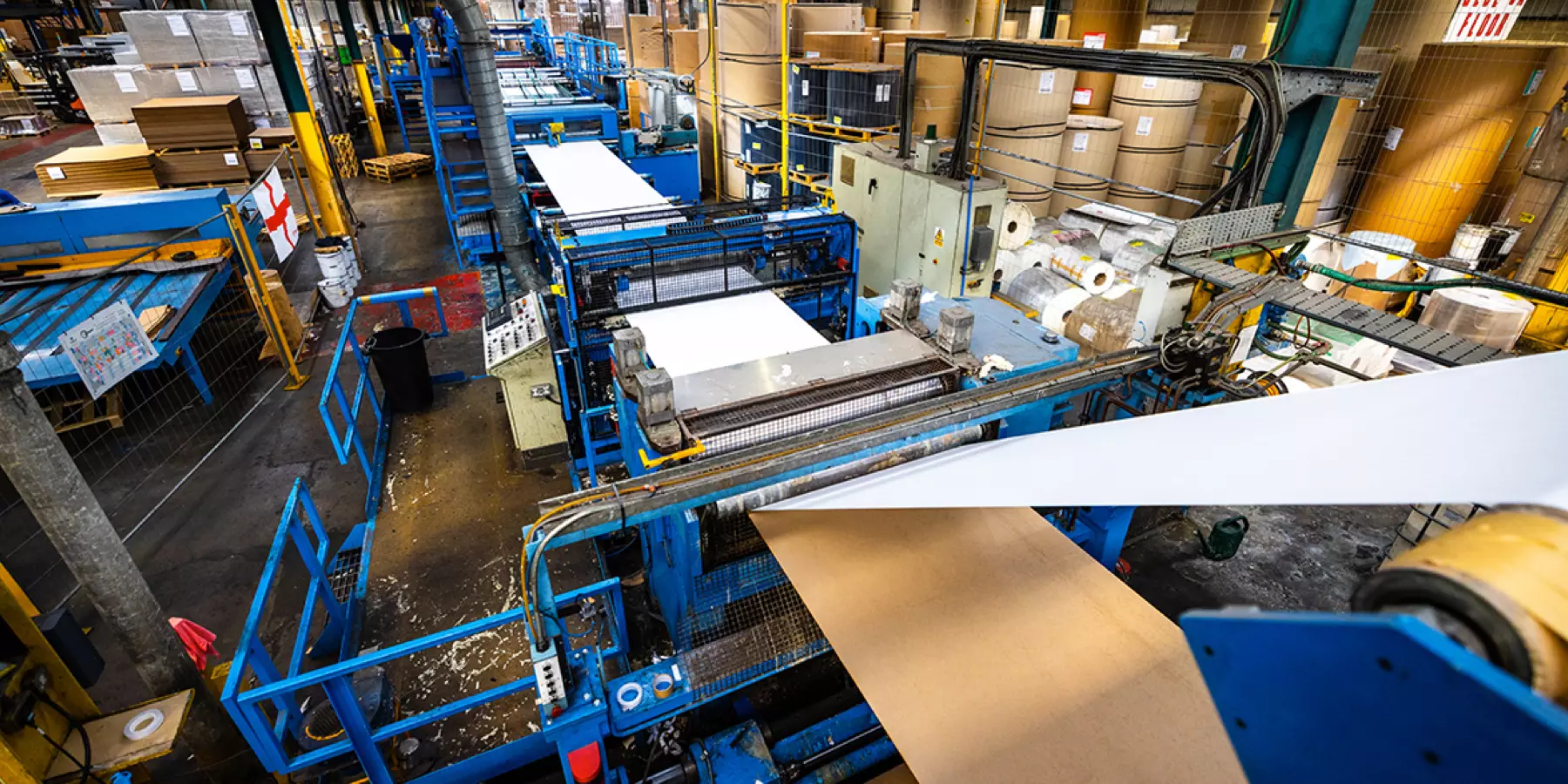
Foil lined board is a laminated board made by bonding aluminium foil to a paperboard substrate.
You’ve usually got a fibre or pulp-based board like FBB or SBS on the top, and a thin foil layer on the reverse side.
Key Properties of Foil Lined Board
- strong barrier against moisture
- blocks light
- blocks oxygen
- reflects heat
- good for protecting food products stored inside
- stable when folded or scored
Because of the foil layer, this type of board is commonly used in food packaging, especially where flavour and aroma need to be contained.
What PE Board Is Made From
PE board, or poly-coated board, uses a thin polyethylene coating instead of foil.
This creates a smooth, sealed surface that’s ideal for cartons holding dry food or items needing controlled moisture resistance.
Key Properties of PE Board
- strong moisture-resistant layer
- smoother coating for printing
- lighter than foil laminate
- behaves like standard coated paperboard during converting
- good for retail packaging and lined cartons
You’ll also see PE used on kraft boards or unbleached substrates when a natural look is needed but water resistance still matters.
Comparing Barrier Performance
Foil Lined Board: Stronger Barrier
The foil layer provides:
- higher thermal reflection
- better oxygen protection
- improved light resistance
- more stable barrier for aromatic foods
It’s ideal for dry mixes, powdered drinks, confectionery packaging and anything that needs to stay protected from air and moisture for longer.
PE Board: Practical Everyday Protection
PE coatings deliver:
- reliable water resistance
- a seal against light grease
- good performance for dry food
- a flexible surface for converting
PE board works well for cereal box inners, bakery cartons and retail packaging where cost and weight matter.
How They Perform During Printing and Conversion
Foil Lined Board
The metallic layer doesn’t stretch, so you get crisp folds and sharp die-cutting.
Printers usually say the surface feels stable, though inks can behave differently depending on the top coating.
PE Board
PE coated paper is more like a standard coated white board.
It takes ink well, works nicely on litho presses and handles scoring without cracking.
It’s lighter too, which helps with runs where machine speed matters.
Recyclability and Material Recovery
Foil Lined Board
Recyclability depends on the ability to separate the foil and fibre.
Some recycling schemes can recover the fibre effectively, while others treat it as a composite that needs specialist processing.
PE Board
PE coatings are easier to deal with during hydrapulping.
The polyethylene layer lifts away as flakes, allowing fibre recovery.
So PE board is often classed as more recyclable, depending on local facilities.
When to Choose Foil Lined Board
- products affected by light or oxygen
- longer-term storage
- premium boxes needing barrier strength
- applications where thermal reflection helps
- food packaging that must stay sealed tightly
The laminate ensures food is protected from air and moisture, making it ideal for higher-value packs.
Foil Lined Board vs Thin Plastic Films
Buyers often compare foil lined board to thin plastic packaging because both can offer light and moisture control.
The difference is that board gives you surface strength, print quality and a premium feel, which plastic films don’t always match.
The fibre structure also holds its shape better, especially in shelf-ready or retail cartons.
Where Foil Lined Board Performs Best
Food and Confectionery
Foil lined board is ideal for foods where flavour must stay stable.
Things like chocolate, hot drink mixes, confectionery, or even certain ice cream and cereals packs where moisture and aroma control matter.
Premium and Luxury Packaging
The clean print surface and rigidity make it ideal for high-value items and premium boxboard applications.
Rigid Containers and Formed Packs
Some teams use the word “container” for a carton, but whatever you call it, the board delivers the resistant properties needed to handle handling, storage and temperature changes.
When to Choose PE Board
- dry food packaging
- items needing basic moisture control
- printing-heavy retail designs
- lighter packaging where foil is unnecessary
- coated board for everyday cartons
PE coated paper is widely used because it’s versatile, cost-effective and easy to convert.
Which One Is Better?
There’s no universal winner.
Foil lined board gives stronger barrier properties, especially for food needing protection from oxygen and light.
PE board gives reliable moisture resistance, smoother converting and easier recyclability.
In short, if you need a fibre-based material designed to protect products stored inside from light, moisture or air, foil lined board is the stronger choice.
For lighter, simpler food packaging, PE board usually does the job.
Expert customer support
Tell us what you need, and our expert team will work with you to find the perfect solution. If it's made of cardboard then we are the people to speak to!
Tell us what you need, and our expert team will work with you to find the perfect solution. If it’s made of cardboard then we are the people to speak to! Get in touch today to see how we can help.

Bulk Ordering
For businesses large and small.

Eco-Aware Products
Recyclable, compostable, and food-safe.

Built to perform
Packaging that holds up and looks right.